
Permits · 1 min read
Permits & Inspections: What Massachusetts Homeowners Should Know
A plain-language overview of when you need a permit, what inspections happen, and who's responsible for coordinating them.
HKF Construction ·
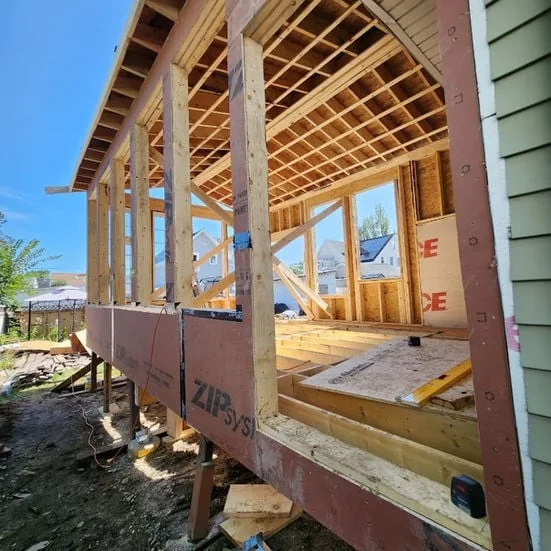
Most structural, electrical and plumbing work in Massachusetts requires a building permit — this applies whether you're adding a room, renovating a bathroom, or finishing a basement. Purely cosmetic work, like painting or replacing flooring without changing the subfloor, typically does not.
Permits exist to confirm the work meets code — for structural safety, fire safety, and basic livability standards like egress windows in bedrooms. An inspector reviews the work at set stages: often framing, rough electrical/plumbing, and a final inspection once everything is complete.
Who applies for the permit matters. On most residential projects, a licensed contractor applies for and holds the permit, and is responsible for scheduling and passing the required inspections — this is part of what HKF manages on every permitted project.
Skipping permits on required work isn't just a legal risk — it can create real problems at resale, since unpermitted work often has to be disclosed and can complicate financing or insurance.
If you're not sure whether your project needs a permit, ask before you start. HKF reviews scope against your town's requirements as part of every proposal.